
Three-Wheeler Buying Guide: Petrol vs Electric Conversion in Sri Lanka
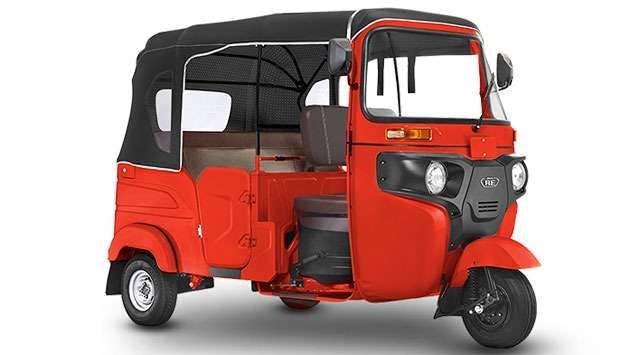
Three-wheelers are the backbone of short-distance transport and delivery work across Sri Lanka. New petrol models are still the default, but electric conversion has moved from pilot project to a real option.
New petrol three-wheelers: what they cost
Bajaj and TVS still dominate new sales, with Bajaj holding the largest share of the market by a wide margin. Local listings for standard passenger three-wheelers currently run around LKR 1.49-1.85 million for a new 2026 model. Utility and cargo variants from Piaggio sit at a similar or slightly higher price, depending on load capacity.
Electric conversion: what it actually costs
Converting a petrol three-wheeler to electric is a genuine, funded option now, not just a pilot programme. Sri Lankan conversion specialists like eShift, working with Vega Innovations, retrofit existing petrol three-wheelers with an electric drivetrain. Running costs after conversion come in at under LKR 7 per kilometre, a fraction of what petrol costs at current fuel prices. There's also a national push behind this: the UNDP is working with the Ministry of Transport on a programme aiming to convert 500,000 three-wheelers over five years.
Which one makes sense for you
If you're buying new, a standard Bajaj or TVS three-wheeler remains the safest choice for parts and resale. If you already own a petrol three-wheeler and put in real daily kilometres, an electric conversion pays for itself faster the more you drive, and it's worth getting a quote. Whichever route you take, Gear Nest has three-wheeler listings from private sellers and dealers with no broker fees.
Registration and Running Costs to Factor In
Whichever route you take, factor in the paperwork alongside the purchase price. New petrol three-wheelers register through the Department of Motor Traffic the same way any other vehicle does, with the revenue license renewed annually based on the district and vehicle class. Converted electric three-wheelers need the conversion itself recorded with the DMT so the registration certificate reflects the change in fuel type, since running an unregistered modification is the kind of detail that causes problems at resale or during an insurance claim.
Insurance is worth a second look too. Not every insurer prices electric conversions the same way as standard petrol models yet, so it's worth calling around rather than assuming your existing policy carries over unchanged. Third-party cover is mandatory either way, and given how much of a three-wheeler's working life is spent on the road for hire or delivery, comprehensive cover is worth the extra premium for most owners.