
How to Check if a Used Vehicle Is Legit Before You Buy in Sri Lanka
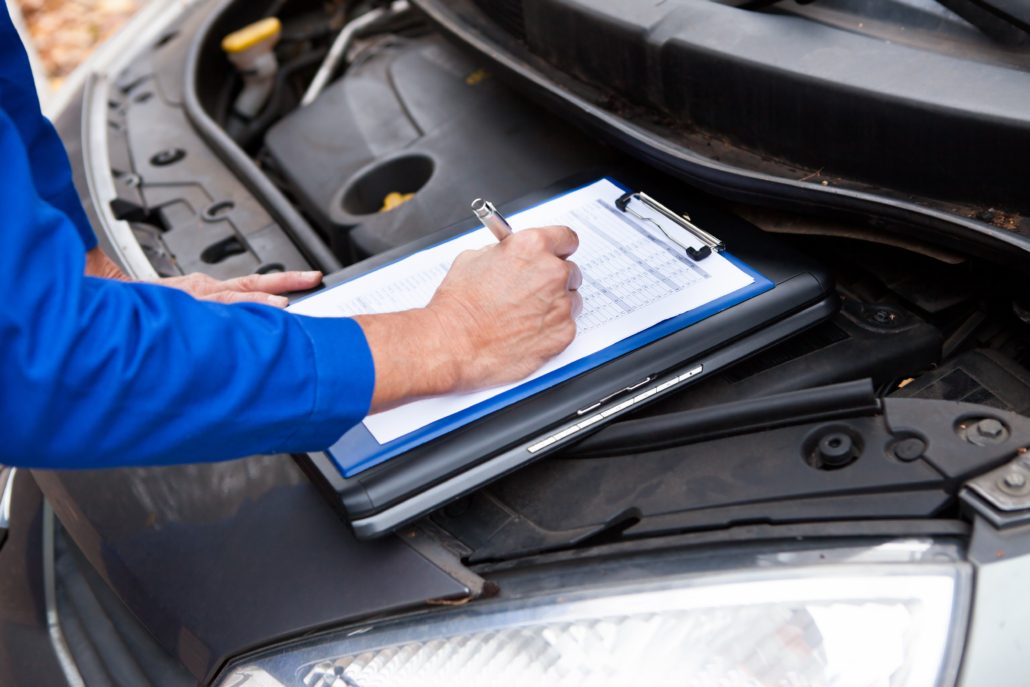
Scams and fraudulent registrations are the number one fear buyers have when shopping used vehicles in Sri Lanka, and it's not paranoia. In July, the Bribery Commission arrested someone for helping fraudulently register two customs-uncleared vehicles by illegally entering them into the Department of Motor Traffic database. That's small next to a larger scandal, nearly 400 vehicles fraudulently registered as pre-2005 imports to dodge customs duty. The estimated loss to government revenue was around Rs. 3 billion. Here's how to actually check a vehicle before you commit.
Verify the vehicle was legally imported
Sri Lanka Customs runs a free Vehicle Verification Portal at services.customs.gov.lk/vehicles. Enter the chassis number, your NIC or passport, and a mobile number, then confirm with an OTP. It confirms whether the vehicle was legally imported through customs and cleared properly, the exact thing the fraud cases above got around.
Confirm ownership and registration details
The Department of Motor Traffic runs a separate portal at eservices.motortraffic.gov.lk for a Full or Limited Vehicle Information Request. There's also a quick SMS option: send V followed by the registration number, for example V CAA1234, to 1919. Cross-check that the name on the registration matches the seller's ID before you hand over any money.
Inspect the Vehicle in Person Before You Commit
Online checks confirm paperwork, but they don't tell you about a flood-damaged interior or a rebuilt front end. Always inspect the actual vehicle before paying anything. Match the chassis number stamped on the body to the number on the registration certificate and the revenue license, and check that it hasn't been re-stamped or tampered with, which shows as uneven metal or fresh paint around the numbers.
Ask to see the vehicle in daylight so panel gaps, mismatched paint, and rust are easier to spot. Uneven gaps between doors and panels, or paint that doesn't quite match between sections, often point to accident repair that wasn't disclosed. If the seller can't produce a service book or any workshop history at all, treat that as a reason to slow down and ask more questions, not necessarily a dealbreaker on its own. A short test drive on a real road, not just around the block, will tell you more about the gearbox, brakes, and suspension than any document can.
The bottom line
Both of these checks are free, take a few minutes, and cost you nothing to run before you meet a seller. On Gear Nest, listings connect you directly with the seller, no broker in the middle, which makes it easier to ask for the chassis number and registration details upfront before you arrange a viewing.