
Buying an Electric Car in Sri Lanka in 2026: New vs Used, Real Prices, Charging and Battery Checks
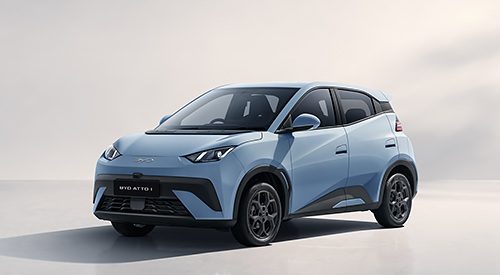
Petrol 92 has been above Rs 400 a litre since May, up from about Rs 292 in January. With the 50% customs duty surcharge running to 31 December and financing rules tightened in May, most cars are getting harder to afford. Electric cars are the exception: they are taxed differently, cost very little per kilometre to charge, and the used market is growing fast.
That does not make an EV right for everyone. This guide covers what they cost, how charging works at home and on the road, and the battery check that matters more than anything else on a used electric car.
What electric cars cost right now
Prices vary a lot depending on age, battery condition and who is selling. These are asking prices seen on Riyasewana and Patpat in late September and early October 2026. Treat them as a guide, not a quote.
Nissan Leaf (2014, first generation): around Rs 7 million. The cheapest way in, but battery condition decides everything.
Honda N-One EV (2026, practically new): around Rs 9.3 million.
Dongfeng Box (2025): around Rs 9.9 million.
BYD Dolphin (2025, used): roughly Rs 11 million to Rs 11.5 million.
BYD Atto 3 (2025, used): around Rs 17.9 million.
BYD Seal (2025, used): around Rs 21.5 million. Brand new 2026 examples were listed near Rs 19.7 million on Patpat.
Notice how wide the gap is. A well-kept older Leaf and a nearly new BYD can be Rs 4 million or more apart, and they are very different cars to own.
Why EVs are taxed differently
Sri Lanka stacks several charges on imported cars: customs duty, a temporary surcharge on that duty, excise duty, luxury tax, a 2.5% SSCL levy and VAT. Electric cars still pay customs duty and the surcharge like everyone else. Their advantage comes from two places:
Excise duty is charged per kilowatt of motor power (and varies with the age of the vehicle), rather than per cc of engine, which usually works out lower than a comparable petrol car.
The luxury tax threshold is higher. Luxury tax only applies to the part of the import value above Rs 6 million for EVs, compared with Rs 5 million for petrol and diesel cars, and the rate on the excess is lower at 60%.
The surcharge is set to run until 31 December 2026, so import costs could change in January. If you are buying a newly imported EV, ask the dealer which tax rates were used and whether the vehicle was cleared before or after 15 May.
New or used?
Buy new (or nearly new) if you want a warranty and a dealer who will fix the car. For an EV the battery warranty is the main thing you are paying for. Ask exactly how many years and kilometres it covers, and whether the warranty is honoured in Sri Lanka or only by the manufacturer overseas.
Buy used if you are comfortable checking the battery yourself, or paying someone to do it. A used EV can be great value, but a weak battery is an expensive problem and often there is no warranty to fall back on.
Whichever you choose, a car imported unregistered ("recon") and a car already registered locally can price very differently. Gear Nest lets you browse by condition, which helps when comparing like with like.
Charging: home first, public when needed
Most EV owners do the bulk of their charging at home overnight, which is also the cheapest way.
Home charging: a basic setup works on a normal connection, but cheaper time-of-use electricity needs an application to CEB or LECO, a suitable supply and a special meter. Off-peak night rates are far lower than daytime or evening peak rates, so charge after about 10:30 pm if you can.
Public charging: CEB and LECO run stations, and private ones are appearing across Colombo, Negombo, Moratuwa and Kandy. DC fast chargers are quicker but cost more per unit than charging at home. PUCSL introduced a dedicated tariff for charging stations from 1 April 2026, which should help the network grow.
Before you buy, look at where chargers actually are on your usual routes. A day trip from Colombo to Kandy is easy. A long drive through areas with few stations needs planning.
As a rough guide, a Leaf-sized EV that covers 50 km a day can cost a fraction of petrol to run, especially on an off-peak tariff. Use current fuel prices and your own electricity rate to work out your own number rather than trusting a generic figure.
The battery check you must not skip
On a petrol car you inspect the engine. On an EV you inspect the battery, and the dashboard alone will not tell you the truth.
Nissan Leaf
The dashboard shows 12 capacity bars. Full is 12. Lost bars mean lost range.
Ask for the state of health (SOH) percentage. The usual way to read it is the LeafSpy app with an OBD2 Bluetooth adapter, which takes about ten minutes.
First generation cars (roughly 2011 to 2015) had small 24 kWh packs, and owners in Sri Lanka have reported heavy capacity loss on older examples. A Leaf that only manages 40 to 50 km is close to the end of its useful life without a battery replacement.
Check the 12V auxiliary battery, charging port and charge cable as well.
BYD, MG, Dongfeng and other newer EVs
Ask for the battery warranty document and check the start date. A car that sat unsold for a year has already used part of it.
Request a full charge test and see the range the car actually shows.
Look for software and service history from an authorised workshop.
For any EV
Check for signs of flood damage. Water and high-voltage batteries do not mix, and monsoon season is here.
Test both slow (AC) and fast (DC) charging if you can. A car that charges at one but not the other has a fault.
Ask who in Sri Lanka can service the car and where parts come from.
Financing an EV
In May the Central Bank lowered the loan-to-value limit for cars, SUVs, vans and three-wheelers that are unregistered or less than a year old to 40% of the vehicle's value. For registered vehicles used locally for more than a year the limit is 60%. EVs no longer get the separate, higher limit they once had.
In practice, a Rs 11 million BYD Dolphin that is less than a year old could need around Rs 6.6 million in cash or trade-in, while an older registered Leaf can be financed up to 60%. Ask your bank or leasing company for the exact limit on the specific car before you commit.
A simple pre-purchase checklist
Confirm the car is legally imported and registered, using the official checks in our guide to checking a used vehicle.
Get a written battery health report, not a verbal promise.
Ask for the warranty terms in writing.
Work out your monthly charging cost against what you spend on petrol now.
Confirm where you will charge, at home and on your regular routes.
Check the financing limit for that exact vehicle.
Take it for a proper test drive, including a fast-charge stop if possible.
The bottom line
An EV is a good buy if you drive enough kilometres for fuel savings to matter, you can charge at home, and you check the battery properly. For city commuters in Colombo and other big towns the numbers can be very attractive. If you drive long distances through areas with few chargers, a hybrid may still be the safer choice. Our guide to the best used hybrids in Sri Lanka covers that route.
Browse electric and hybrid listings on Gear Nest and filter by condition to compare registered and recon cars side by side.